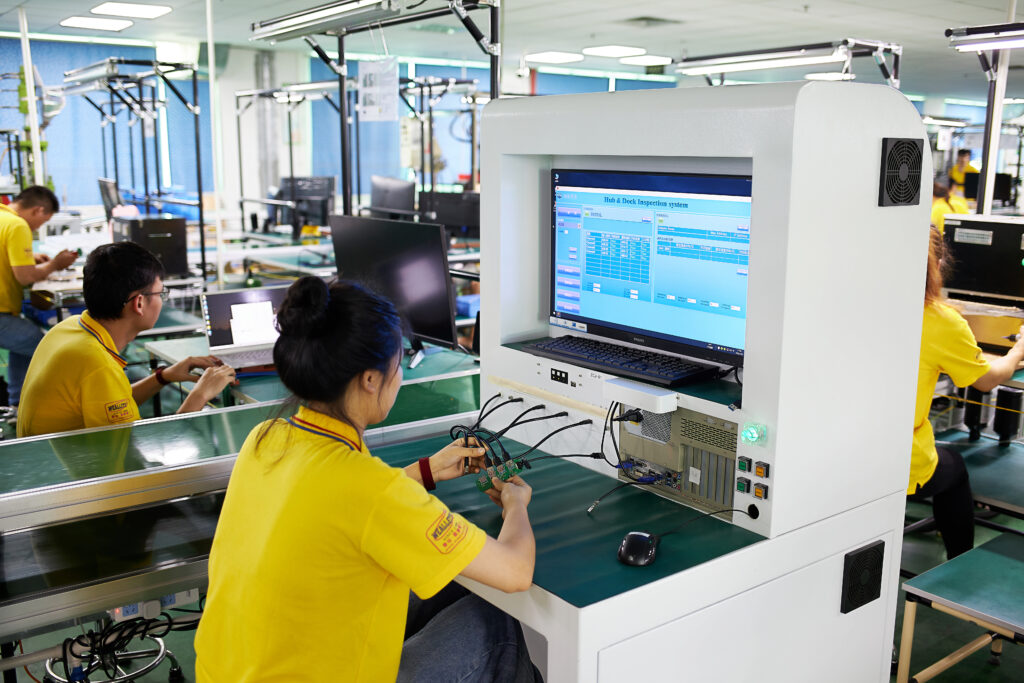
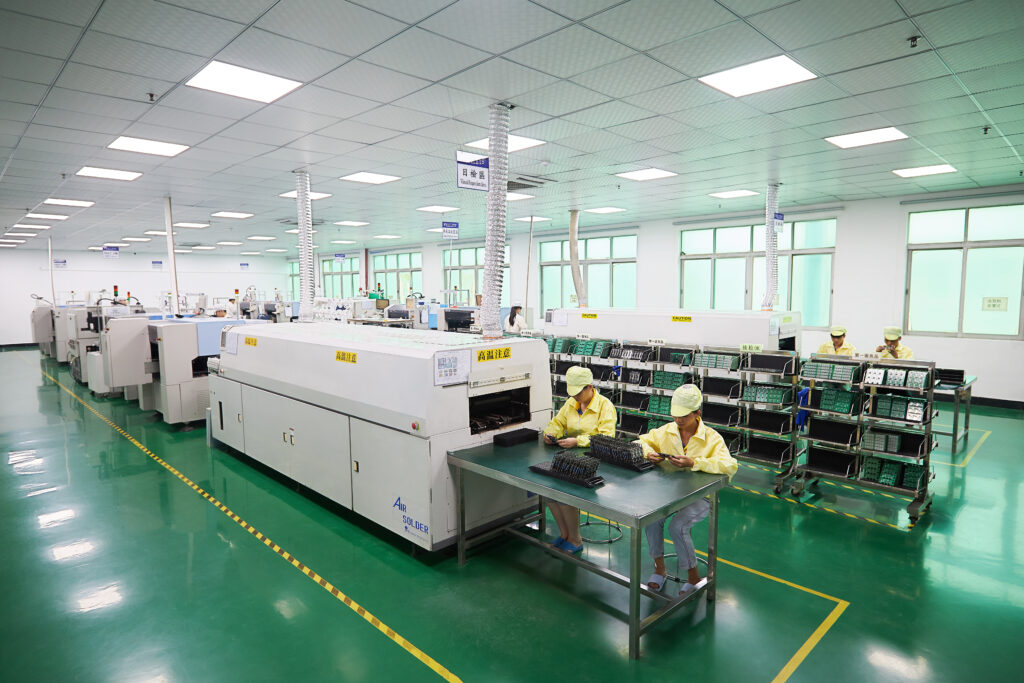
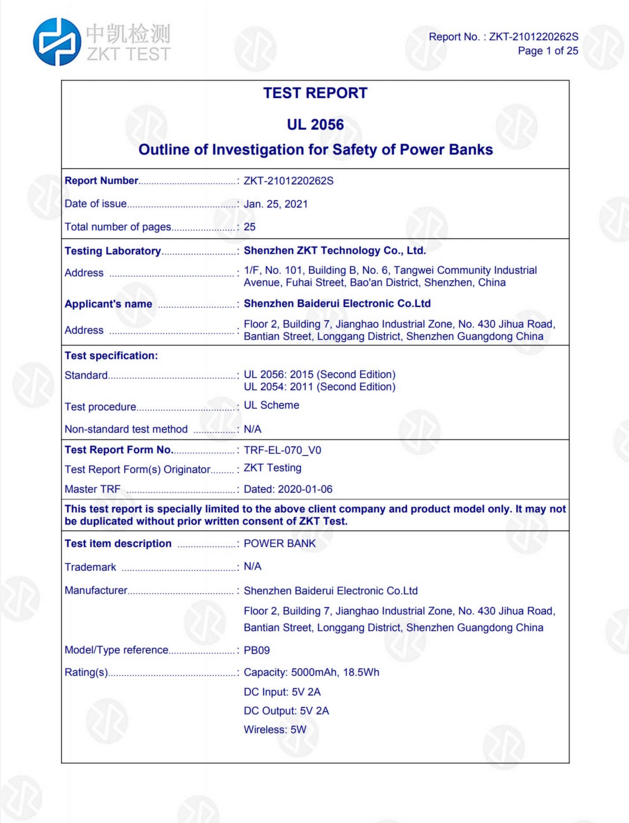
Our work connects electrical design, coil selection, firmware tuning, enclosure integration and repeatable manufacturing. Each project is reviewed against the real product stack-up, operating environment and target market before a production route is proposed.
About CowinLink
CowinLink Limited develops finished wireless chargers and custom transmitter (TX) and receiver (RX) hardware for OEM and ODM projects. We work with product teams that need to add wireless power to a new device, adapt an existing platform or prepare a design for stable production.
Our role is practical: define the electrical and mechanical constraints, select an appropriate architecture, build and tune prototypes, then support validation and manufacturing. Depending on the program, deliverables can include schematic and PCB work, coil recommendations, firmware configuration, mechanical-integration guidance and production test requirements.
What we support
Finished charging pads, stands, multi-device chargers and automotive accessories.
Qi and Qi2 transmitter platforms for embedded products and dedicated charging docks.
Compact receiver modules for medical, industrial, IoT, wearable and sealed devices.
Application review covering coil gap, alignment, metal, magnets, heat, FOD and EMC.
We do not treat a module as an isolated board. Housing materials, coil position, shielding, firmware and the power path all affect the final result, so integration decisions are documented early.
ENGINEERING DISCIPLINE FOR REPEATABLE PRODUCTION
From Prototype to Production
Development controls
Define the input source, required receiver power and mechanical envelope.
Review coil geometry, spacing, shielding, thermal paths and nearby metal.
Build and tune samples around the actual enclosure and load.
Record performance, protection behaviour and manufacturing test limits.
Production readiness
Confirm the agreed BOM and approved component alternatives.
Use incoming, in-process and final inspection checkpoints.
Align pilot-build findings with work instructions and test fixtures.
Track changes so samples and volume builds remain comparable.